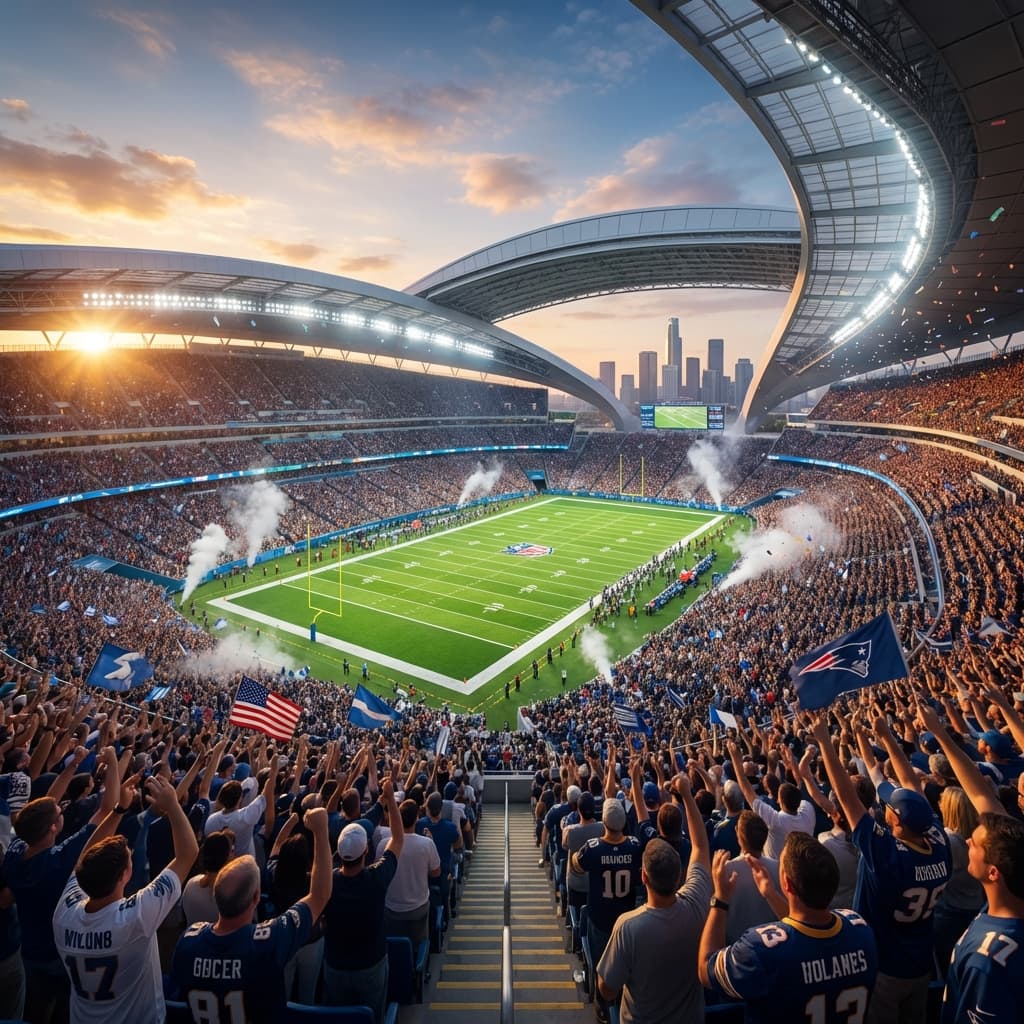
Lumen Field holds 68,740 fans and produces noise levels that have literally registered on seismographs. The stadium design amplifies crowd noise to create the NFL's most documented home-field advantage. This guide covers everything from surviving the noise to navigating Seattle gameday.
The Beast Quake Stadium
The stadium's design creates a unique acoustic phenomenon. Partial covering over the stands traps and reflects sound back onto the field. The result: noise levels exceeding 137 decibels during key moments.
During Marshawn Lynch's famous "Beast Quake" run in 2011, the crowd's reaction literally registered on earthquake monitors. Visiting quarterbacks routinely struggle to communicate at the line.
Best Seats at Lumen Field
The Hawk's Nest (Sections 300-309)
The loudest section in the stadium occupies the upper south end zone. These fans pride themselves on creating maximum noise. Not for the faint of heart—but if you want the full 12th Man experience, this is it.
Lower Level (100s)
Close to the action with excellent sightlines. Sections 110-125 are sideline with premium pricing ($250-400). The noise is intense but slightly less overwhelming than upper levels.
Club Level (200s)
Indoor access, better food, and padded seats. A refuge for those who want to experience the game without standing for three hours. $200-350 for most games.
The 12th Man Experience
The Seahawks' fanbase earned the "12th Man" designation through passionate, organized support. What to know:
- The noise is real: Bring earplugs if you're sensitive
- Standing is expected: Especially for big plays
- Green and blue are mandatory: Visiting team colors get noticed
- Chants are coordinated: Follow the lead of longtime fans
SODO District Eats
- Elysian Fields: Craft brewery attached to stadium
- Pyramid Alehouse: Pre-game destination since 1996
- Hatback Bar and Grille: Long-running sports bar
- F.X. McRory's: Classic Seattle steakhouse
Parking Strategies
Stadium Lots
North and South lots surround the stadium ($40-60). Pre-purchase recommended. Closest to gates but slowest to exit.
Industrial District
Businesses south of the stadium offer parking ($20-35). Longer walk but easier post-game exits.
Light Rail (Best Option)
Seattle's Link Light Rail stops directly at the stadium. Park at a remote station (SeaTac, Northgate) and ride stress-free. Post-game trains run frequently.
⚠️ Pro Tip: I-5 and I-90 gridlock after games. Light Rail is genuinely the best option. If driving, plan 60-90 minutes to reach the freeway.
Weather Preparation
Seattle's reputation for rain is earned. Gameday weather expectations:
- September-October: Generally pleasant (55-65°F), occasional rain
- November-December: Wet and cool (40-50°F)
- January: Cold by Seattle standards (35-45°F), rain likely
Key advice: Layers are essential. The stadium is partially open, so rain reaches most seats. Ponchos recommended over umbrellas (blocking views is frowned upon).
Gameday Traditions
- 12 Flag: Different local celebrities raise the 12 flag before each game
- Sea-Hawks chant: "Sea!" from one side, "Hawks!" from the other
- Blitz: The mascot who leads cheers
- Bam Bam Kam tribute: Celebrating hard-hitting defense
Quick Reference: Lumen Field
- Address: 800 Occidental Ave S, Seattle, WA 98134
- Capacity: 68,740
- Opened: 2002
- Gates open: 2 hours before kickoff
- Key tip: Take Light Rail, avoid driving
Fresh 2026 notes
Seattle Seahawks stadium trip planning
Confirm the venue's current bag policy, mobile-ticket rules, gate opening times, parking or transit plan, and weather conditions before leaving. For a home game, arrival and postgame transportation usually require as much planning as the time inside the gates.
Arrival timing is the first big decision
A stadium trip goes more smoothly when you treat arrival time like a real part of the plan. Early arrivals usually mean shorter security lines, more time for tailgating or pregame photos, and a calmer walk into the venue. If the stadium has a plaza, a fan zone, or a well-known pregame area, it is worth showing up earlier than you think so the day starts with a little breathing room instead of a sprint.
Parking and transit should be decided together
Parking is never just parking on game day. It determines how easy it is to get in, how long the walk will be, and whether you will still have energy after the final whistle. If the venue has shuttles, rail access, or a strong rideshare plan, compare those options before you commit to one lot. A good guide should tell you where value lives, not just which spot is closest to the gate.
Food deserves a real strategy
Check whether the stadium supports mobile ordering, publishes concession locations, or restricts outside food. Those policies affect both arrival time and budget, especially when a sold-out game creates long lines before kickoff and at halftime.
Comfort and sightlines matter more than people admit
Seats, shade, roof position, and climate control can shape the experience just as much as the score. If the stadium is outdoors, you need to think about weather, sun exposure, and the long walk back to the car. If the building has a roof or strong air conditioning, you still want to know which sections give you the cleanest sightlines and the easiest access to the aisle when you need a break.
The exit plan is part of the ticket price
Many stadium trips go sideways after the fourth quarter because nobody planned the exit. Some fans should stay for the final whistle and ride out the traffic, while others should leave early enough to beat the rush or make a train connection. A good guide helps you decide which lot, which gate, and which pickup point will keep the end of the day from feeling chaotic.
Use the guide like a pre-game checklist
Before departure, confirm the bag policy, entry gate, weather, mobile tickets, payment rules, and rideshare or transit plan. Recheck official venue guidance on game day because security and transportation procedures can change by event.
Know the best arrival window
For stadiums, the safest move is usually to arrive early enough to avoid security delays and still have time for food or photos. For watch parties, it means getting there before the room fills so you can choose a seat with a good screen and the kind of crowd you want to spend three hours with.
Verify the venue rules
Bag policies, sound rules, reservation limits, mobile ordering, parking validation, and rideshare pickup points can change by venue and event. Confirm time-sensitive rules through the venue's official channels before traveling.
Quick checklist
- Check the bag policy, gate plan, and arrival window before leaving home.
- Pick parking or transit based on how long you want the postgame exit to take.
- Budget for concessions if you plan to stay inside the venue for the full game.
- Bring weather-appropriate gear if the stadium is outdoors or partially open.
- Decide whether you should leave early, stay late, or wait out the traffic.
- Use the stadium guide before each trip so the day feels planned instead of rushed.
For Seattle Seahawks game day, confirm time-sensitive venue details first, then plan arrival, seating, food, and the trip home. Early verification reduces the risk of outdated hours, changed entry policies, unavailable reservations, or a venue showing a different broadcast.