Explore Colts
The House That Peyton Built
While Lucas Oil Stadium opened in 2008, its existence is largely credited to the success of the Peyton Manning era. The statue of #18 outside the stadium is a pilgrimage site for fans. The Colts transformed Indianapolis from a basketball town into a football powerhouse, boasting two Super Bowl titles (one in Baltimore, one in Indy) and a legacy of elite quarterback play.
The fanbase is famously "Hoosier Hospitality" nice—until kickoff. Inside the dome, the noise is deafening. The culture of "The Shoe" represents a clean, precise, and high-execution brand of football.
A Cathedral of Football
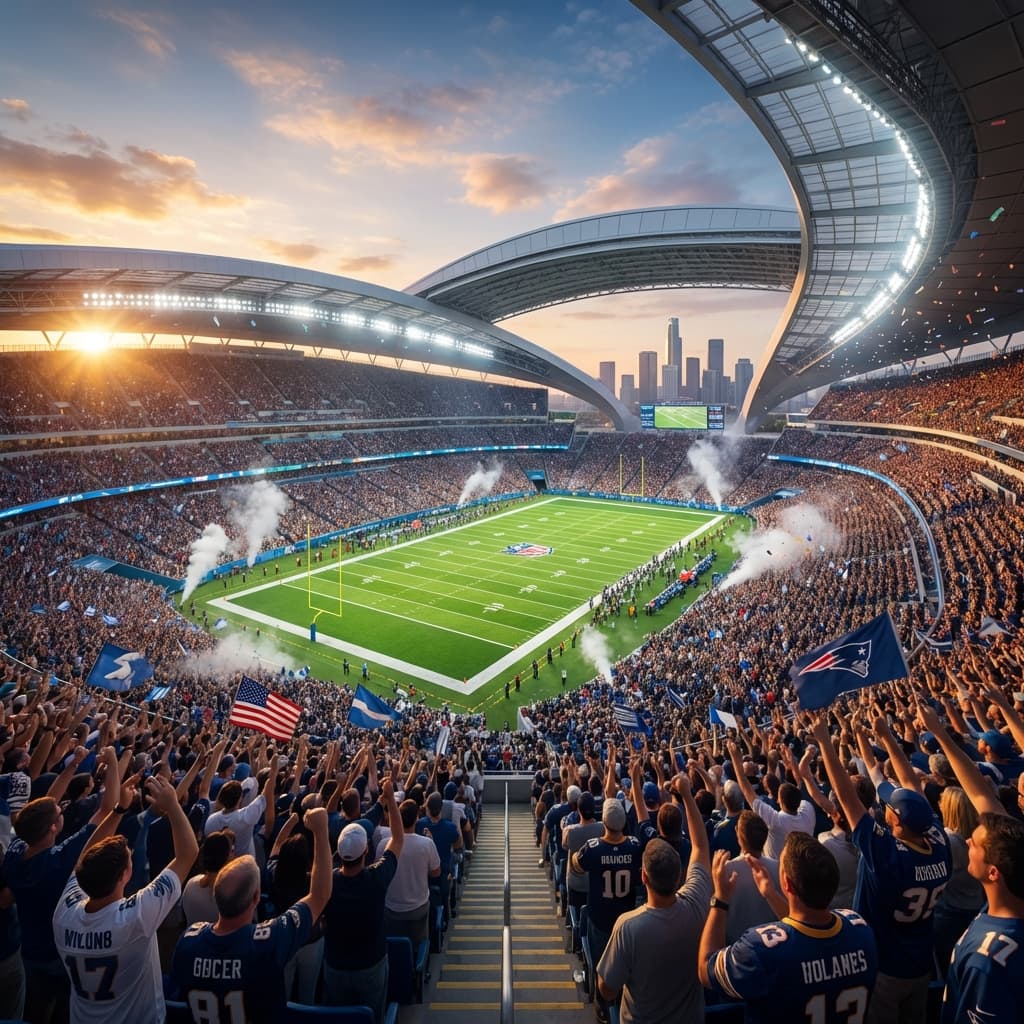
Lucas Oil Stadium is widely considered the best venue to watch a game in the NFL. Its brick exterior mimics a classic fieldhouse, blending perfectly with downtown Indy. The massive retractable window on the north end offers a stunning view of the skyline.
Because the stadium is located right in the heart of downtown, the pre-game atmosphere is unique. Fans fill the bars on Georgia Street and Meridian Street before walking together to the gates. It's a convenient, walkable, and safe urban tailgate experience.
For The Shoe
The horseshoe logo is simple, classic, and unchanged. It symbolizes luck, but the Colts rely on precision. Current fans are rallying around a young, athletic roster that is trying to recapture the magic of the 2000s. The chant "Let's Go Colts" is rhythmic and relentless, bouncing off the steel girders of the roof.
Fresh 2026 notes
Planning notes for Indianapolis Colts
The 2026 regular season has not started, so Indianapolis Colts are 0-0. The published schedule, division matchups, home-game logistics, and flexible-scheduling notes are the useful checkpoints until completed games produce live standings.
Start with the division
Indianapolis Colts pages are most useful when you read them like a living standings board. The record tells you where things stand today, but the division tells you what can actually move the season forward. Games inside AFC South usually matter twice: once for the win column and again for tiebreakers, so the schedule should always be read with those matchups at the center instead of at the edge.
Make the stadium the anchor
Lucas Oil Stadium anchors every Indianapolis Colts home date. Before traveling, confirm parking or transit, gate opening times, the current bag policy, weather conditions, and postgame transportation. Those details can change by event, so the dedicated stadium guide is the practical planning companion for a home game.
Read the schedule like a plan
For Indianapolis Colts, start with division matchups, prime-time windows, the bye week, and travel-heavy road stretches. Division games affect both the win column and tiebreakers, while flexible scheduling can change selected kickoff times later in the season.
Use the hub as a weekly reset
The most helpful fan pages turn into a weekly checklist. Before each game, check the opponent, the kickoff window, the weather, and the travel plan. If you are staying local, pair the hub with the watch-party page and stadium guide. If you are on the road, use it to figure out where to park, when to arrive, and whether the trip should be a quick in-and-out visit or a full Saturday-or-Sunday plan.
Keep the playoff lens on
Once the calendar gets into the back half of the season, every result becomes a little more important. That is when a team hub earns its keep: it helps fans understand how home-field advantage, bye weeks, and division leverage are stacking up. Even a small record swing can change the tone of the month, so the best content is the kind that shows the path instead of only celebrating the current standing.
Schedule lens
Read the next few games in order, then look for division matchups and primetime slots that can swing the mood of the season.
Stadium lens
Use the stadium guide for parking, food, weather, and the small logistics that make a home game smooth instead of stressful.
Remote lens
If you are not traveling, pair the hub with the watch-party page so you can choose the right bar, the right crowd, and the right kickoff routine.
Playoff lens
Late-season games carry more weight because one result can change seeding, home-field advantage, or the entire bracket path.
Quick checklist
- Check the opponent, date, and kickoff window before every game week.
- Use the stadium guide when you are planning a home trip or parking decision.
- Use the watch-party page when you are following the team from another city.
- Pay extra attention to division games because they shape tiebreakers.
- Treat late-season games as playoff math, not just another line on the schedule.
If you are only checking one page before kickoff, make it the team hub. It connects the record, the venue, the schedule, and the fan experience so you can decide whether the week is about parking and tailgates, a watch party with friends, or a playoff push that deserves full attention from the opening whistle.