Explore Texans
The Rise of H-Town Football
Unlike historic franchises with century-old roots, the Houston Texans are the NFL's youngest team, born from the determination to bring football back to Houston after the Oilers departed. Founded by Bob McNair in 2002, the Texans didn't just fill a void; they created a new identity that reflects the modern, aggressive spirit of the city.
The "Battle Red" day is not just a uniform choice; it's a city-wide event. When the Texans take the field in their Deep Steel Blue and Battle Red, they aren't just representing a franchise, they are representing the resilience of a city that has weathered hurricanes and hardships, always bouncing back stronger. The "Bull Pen" fan section in the north end zone is legendary for standing throughout the entire game, orchestrating chants that reverberate off the closed roof.
Game Day at NRG Stadium
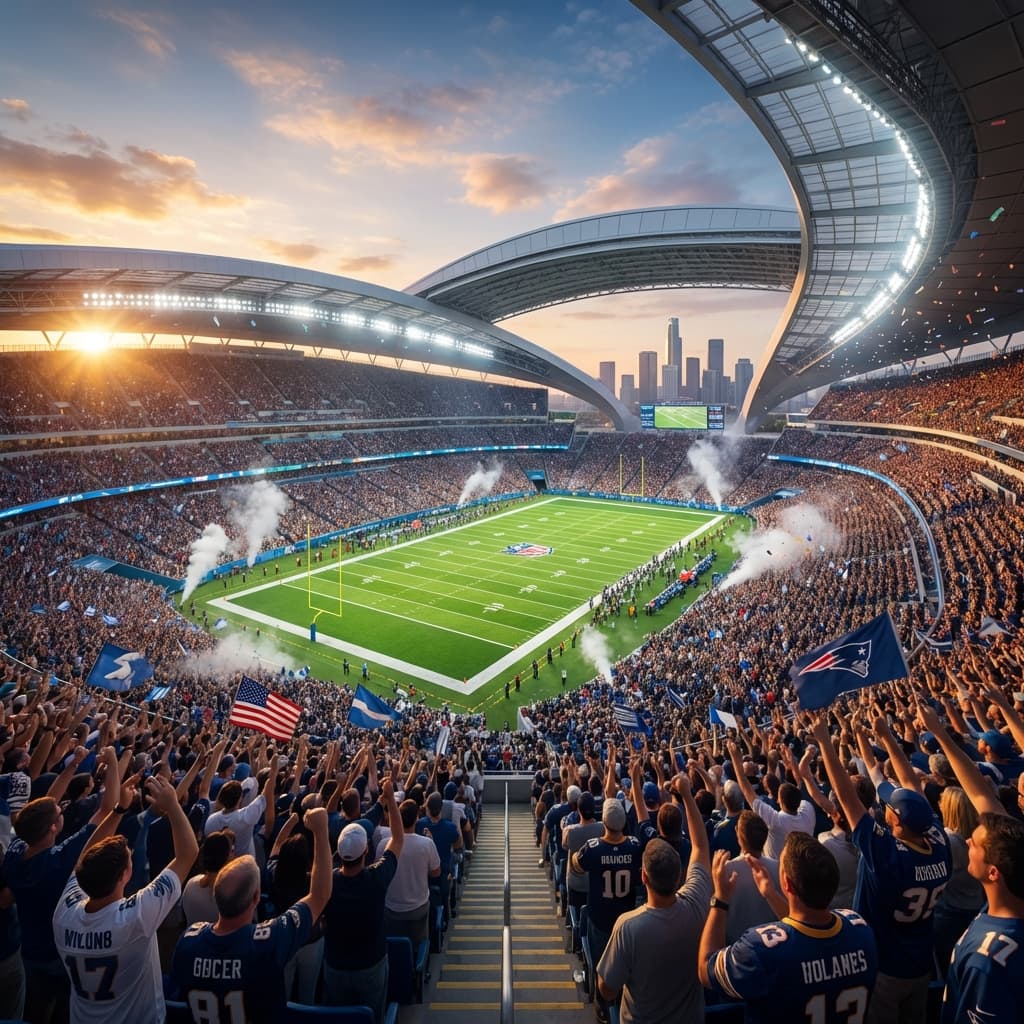
NRG Stadium isn't just a venue; it's a cathedral of air-conditioned intensity. Being the first NFL stadium with a retractable roof, it set the standard for modern comfort, but don't let the AC fool you—the noise levels here are deafening. The "Traveling Texan" defense thrives on the disruption caused by 72,000 screaming fans.
For the true experience, your day begins in the Blue Lot. This is the heart of Texas tailgating. We're talking competition-grade smokers, brisket that's been cooking for 16 hours, and a hospitality that welcomes opposing fans with a plate of food before booing them inside. Whether you're entering through the Amegy Bank Gate or the Ford Gate, the energy is palpable hours before kickoff.
A New Golden Era
We are currently witnessing what might be the golden era of Texans football. Under the leadership of DeMeco Ryans—a former Texans linebacker himself—the culture has shifted from rebuilding to relentless competing. The arrival of C.J. Stroud didn't just solve the quarterback question; it gave the franchise a calm, elite leader who elevated the entire roster.
The mantra "SWARM" isn't just marketing; it's the defensive philosophy. You'll see it on Sundays when the defense rallies to the ball with a speed and ferocity that overwhelms opponents. This is a team built for January football.
Fresh 2026 notes
Planning notes for Houston Texans
The 2026 regular season has not started, so Houston Texans are 0-0. The published schedule, division matchups, home-game logistics, and flexible-scheduling notes are the useful checkpoints until completed games produce live standings.
Start with the division
Houston Texans pages are most useful when you read them like a living standings board. The record tells you where things stand today, but the division tells you what can actually move the season forward. Games inside AFC South usually matter twice: once for the win column and again for tiebreakers, so the schedule should always be read with those matchups at the center instead of at the edge.
Make the stadium the anchor
NRG Stadium anchors every Houston Texans home date. Before traveling, confirm parking or transit, gate opening times, the current bag policy, weather conditions, and postgame transportation. Those details can change by event, so the dedicated stadium guide is the practical planning companion for a home game.
Read the schedule like a plan
For Houston Texans, start with division matchups, prime-time windows, the bye week, and travel-heavy road stretches. Division games affect both the win column and tiebreakers, while flexible scheduling can change selected kickoff times later in the season.
Use the hub as a weekly reset
The most helpful fan pages turn into a weekly checklist. Before each game, check the opponent, the kickoff window, the weather, and the travel plan. If you are staying local, pair the hub with the watch-party page and stadium guide. If you are on the road, use it to figure out where to park, when to arrive, and whether the trip should be a quick in-and-out visit or a full Saturday-or-Sunday plan.
Keep the playoff lens on
Once the calendar gets into the back half of the season, every result becomes a little more important. That is when a team hub earns its keep: it helps fans understand how home-field advantage, bye weeks, and division leverage are stacking up. Even a small record swing can change the tone of the month, so the best content is the kind that shows the path instead of only celebrating the current standing.
Schedule lens
Read the next few games in order, then look for division matchups and primetime slots that can swing the mood of the season.
Stadium lens
Use the stadium guide for parking, food, weather, and the small logistics that make a home game smooth instead of stressful.
Remote lens
If you are not traveling, pair the hub with the watch-party page so you can choose the right bar, the right crowd, and the right kickoff routine.
Playoff lens
Late-season games carry more weight because one result can change seeding, home-field advantage, or the entire bracket path.
Quick checklist
- Check the opponent, date, and kickoff window before every game week.
- Use the stadium guide when you are planning a home trip or parking decision.
- Use the watch-party page when you are following the team from another city.
- Pay extra attention to division games because they shape tiebreakers.
- Treat late-season games as playoff math, not just another line on the schedule.
If you are only checking one page before kickoff, make it the team hub. It connects the record, the venue, the schedule, and the fan experience so you can decide whether the week is about parking and tailgates, a watch party with friends, or a playoff push that deserves full attention from the opening whistle.