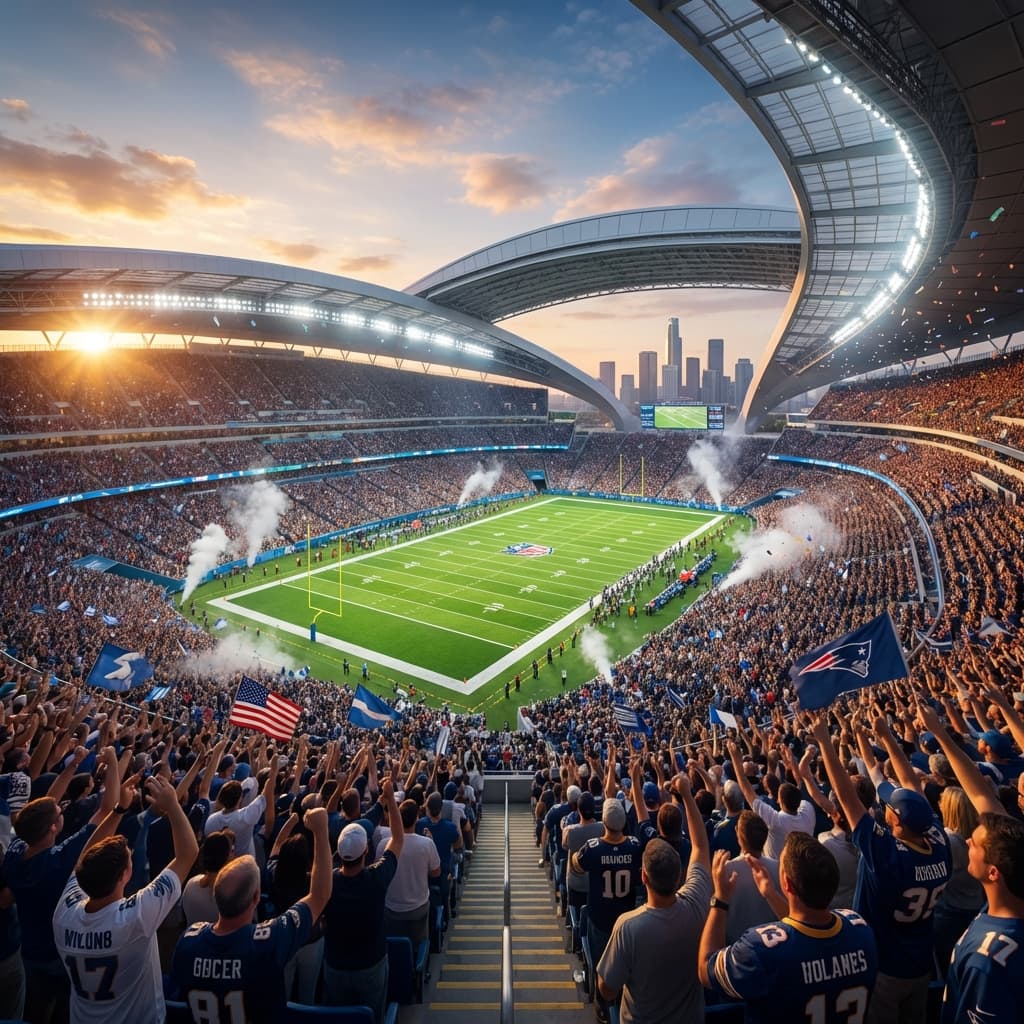
Levi's Stadium seats 68,500 fans in the heart of Silicon Valley. Opened in 2014, this state-of-the-art venue offers incredible technology and amenities—but the Santa Clara sun has earned a fierce reputation. This guide covers everything from beating the heat to navigating Bay Area traffic.
The Heat Reality
Let's address the elephant in the stadium: Levi's gets hot. Unlike Candlestick Park's fog, Santa Clara bakes in direct sunlight. September and October games regularly see field temperatures exceeding 100°F.
The stadium design places one side in shade while the other roasts. Understanding this split is essential for seat selection and gameday survival.
Best Seats: The Shade Factor
West Side (Sections 101-132)
The premium real estate. These sections get afternoon shade during day games. The sun sets behind you, keeping temperatures manageable. Ticket prices reflect this advantage: $250-500 for regular games.
East Side (Sections 201-232)
Direct sun for afternoon games. Bring sunscreen, wear a hat, and hydrate aggressively. Prices are lower ($150-300) for a reason. Consider these for night games when heat isn't a factor.
Upper Level (400s)
Budget-friendly with panoramic views. The west upper deck gets shade earlier than lower levels. Sections 401-412 offer the best value for comfort.
Beat the Heat Checklist
- ✓ Sunscreen (apply before entering—can't bring bottles)
- ✓ Wide-brim hat
- ✓ Empty water bottle (fill at free stations inside)
- ✓ Cooling towel
- ✓ Light-colored clothing
Tailgating at Levi's
Levi's Stadium offers designated tailgating areas with reservations required. The scene differs from traditional NFL lots but has developed its own character.
Blue Lot (Official Tailgate)
The largest tailgate area with space for grills and gatherings. Reservation required ($50-100). Opens 4 hours before kickoff. BBQ smoke and 49ers chants fill the air by noon for late games.
Green Lot
More casual atmosphere, closer to the stadium. Good for groups who want convenience over elaborate setups. Reservation prices vary by game.
Parking Strategies
Official Stadium Lots
Pre-purchase required. Prices range from $40-60. The closer to the stadium, the higher the price and the worse the post-game traffic. Consider Green Lot 1 for easier exits.
Great America Parking
The theme park lots offer cheaper rates ($30-40) with a 10-15 minute walk. Post-game exit is significantly easier.
VTA Light Rail
The smart choice for avoiding traffic entirely. The Great America station is a short walk from the stadium. Park at a remote VTA lot and ride in stress-free.
⚠️ Pro Tip: Highway 101 becomes a parking lot after games. Budget 45-90 minutes to reach SF. VTA or staying in Santa Clara for dinner saves significant frustration.
Stadium Technology
As a Silicon Valley venue, Levi's Stadium packs impressive tech:
- 49ers app: Order food to your seat, watch replays, find shortest bathroom lines
- Free WiFi: Strong throughout the stadium
- Digital signage: Never miss a play walking to concessions
- Cashless: Credit/debit only at all venues
Food & Drink Highlights
- Bourbon Pub: Premium whiskey selection and craft cocktails
- Michael Mina's Tailgate: Upscale takes on stadium food
- Local craft beers: Featuring Bay Area breweries
- Vegetarian options: Better than most NFL stadiums
Fresh 2026 notes
San Francisco 49ers stadium trip planning
Confirm the venue's current bag policy, mobile-ticket rules, gate opening times, parking or transit plan, and weather conditions before leaving. For a home game, arrival and postgame transportation usually require as much planning as the time inside the gates.
Arrival timing is the first big decision
A stadium trip goes more smoothly when you treat arrival time like a real part of the plan. Early arrivals usually mean shorter security lines, more time for tailgating or pregame photos, and a calmer walk into the venue. If the stadium has a plaza, a fan zone, or a well-known pregame area, it is worth showing up earlier than you think so the day starts with a little breathing room instead of a sprint.
Parking and transit should be decided together
Parking is never just parking on game day. It determines how easy it is to get in, how long the walk will be, and whether you will still have energy after the final whistle. If the venue has shuttles, rail access, or a strong rideshare plan, compare those options before you commit to one lot. A good guide should tell you where value lives, not just which spot is closest to the gate.
Food deserves a real strategy
Check whether the stadium supports mobile ordering, publishes concession locations, or restricts outside food. Those policies affect both arrival time and budget, especially when a sold-out game creates long lines before kickoff and at halftime.
Comfort and sightlines matter more than people admit
Seats, shade, roof position, and climate control can shape the experience just as much as the score. If the stadium is outdoors, you need to think about weather, sun exposure, and the long walk back to the car. If the building has a roof or strong air conditioning, you still want to know which sections give you the cleanest sightlines and the easiest access to the aisle when you need a break.
The exit plan is part of the ticket price
Many stadium trips go sideways after the fourth quarter because nobody planned the exit. Some fans should stay for the final whistle and ride out the traffic, while others should leave early enough to beat the rush or make a train connection. A good guide helps you decide which lot, which gate, and which pickup point will keep the end of the day from feeling chaotic.
Use the guide like a pre-game checklist
Before departure, confirm the bag policy, entry gate, weather, mobile tickets, payment rules, and rideshare or transit plan. Recheck official venue guidance on game day because security and transportation procedures can change by event.
Know the best arrival window
For stadiums, the safest move is usually to arrive early enough to avoid security delays and still have time for food or photos. For watch parties, it means getting there before the room fills so you can choose a seat with a good screen and the kind of crowd you want to spend three hours with.
Verify the venue rules
Bag policies, sound rules, reservation limits, mobile ordering, parking validation, and rideshare pickup points can change by venue and event. Confirm time-sensitive rules through the venue's official channels before traveling.
Quick checklist
- Check the bag policy, gate plan, and arrival window before leaving home.
- Pick parking or transit based on how long you want the postgame exit to take.
- Budget for concessions if you plan to stay inside the venue for the full game.
- Bring weather-appropriate gear if the stadium is outdoors or partially open.
- Decide whether you should leave early, stay late, or wait out the traffic.
- Use the stadium guide before each trip so the day feels planned instead of rushed.
For San Francisco 49ers game day, confirm time-sensitive venue details first, then plan arrival, seating, food, and the trip home. Early verification reduces the risk of outdated hours, changed entry policies, unavailable reservations, or a venue showing a different broadcast.