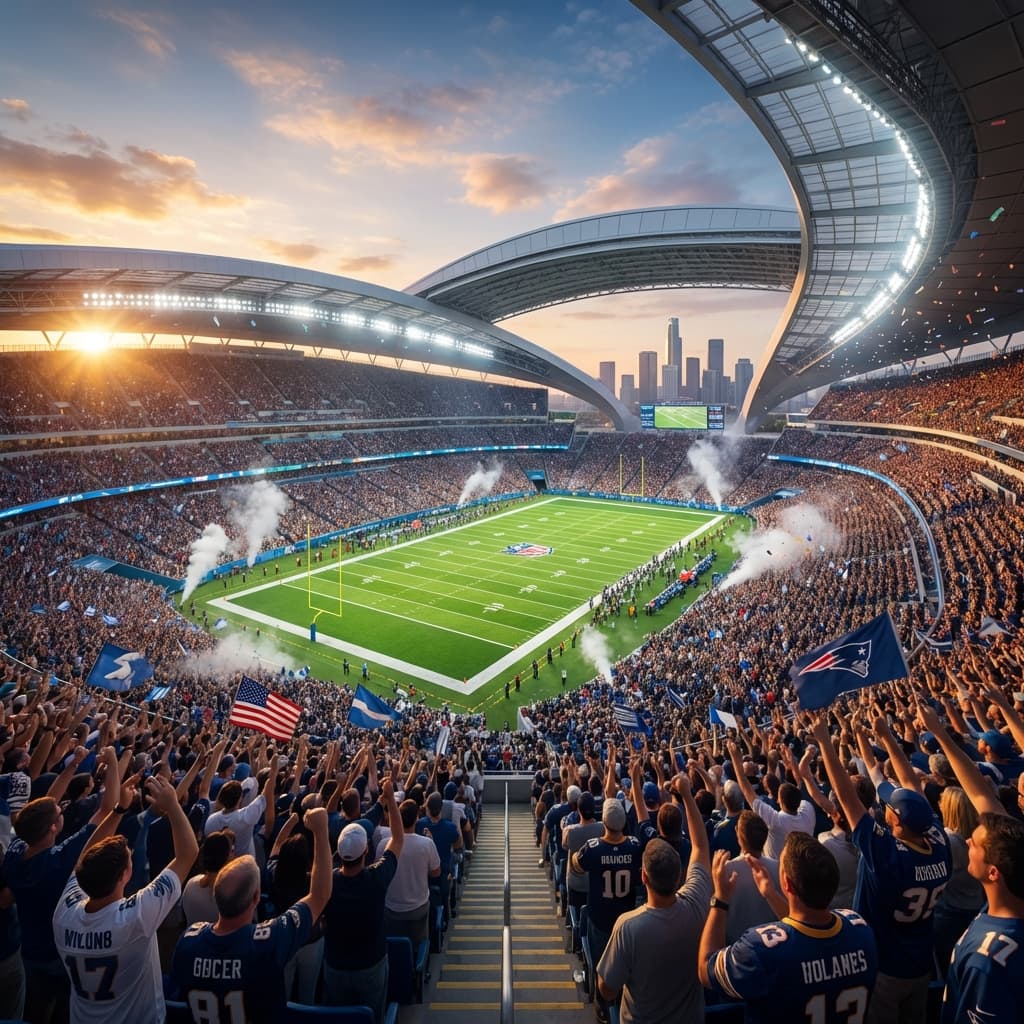
The Caesars Superdome seats 73,208 fans and creates the loudest indoor atmosphere in the NFL. The Who Dat Nation packs this iconic dome, turning it into a deafening chamber of black and gold. This guide covers everything from seating to making the most of your New Orleans gameday.
The Loudest Stadium in Football
The Superdome's enclosed design traps noise inside, creating sound levels that have reached 130 decibels during key moments. Visiting teams regularly struggle to communicate. The crowd's energy during fourth-quarter comebacks is legendary.
Best Seats in the Superdome
Plaza Level (100s)
Closest to the action. Sections 101-148 wrap around the field at field level. Premium pricing ($250-400) but unmatched intensity. You feel the hits.
Loge Level (200s)
Elevated sightlines with excellent views. Many consider this the sweet spot for watching plays develop. $150-300 for most games.
Terrace Level (500-600s)
The upper deck where the most passionate fans sit. Noise intensity rivals lower levels. Budget-friendly at $75-150 with panoramic views.
Champions Square: Pre-Game Central
Champions Square outside the Superdome is where the party starts. This outdoor plaza features:
- Live music from New Orleans bands
- Giant screens showing pregame coverage
- Food and drink vendors serving local favorites
- Activities and games for all ages
- Team pep rallies and celebrity appearances
Champions Square opens 3 hours before kickoff and is free to enter. Miss it and you miss half the experience.
NOLA Gameday Eats (Near Stadium)
- Walk-On's Bistreaux: Sports bar co-owned by Drew Brees
- Manning's: Named for the famous QB family
- Drago's: Famous charbroiled oysters
- Mother's Restaurant: Classic New Orleans po'boys
Parking Strategies
Superdome Lots
Mercedes-Benz Superdome Garage offers covered parking ($40-60). Limited availability—arrive early or pre-purchase.
Downtown Garages
Multiple parking structures within walking distance ($20-40). The Smoothie King Center lots work well for a 10-15 minute walk.
French Quarter + Walk
Park in French Quarter lots ($25-40), grab brunch, then walk 15-20 minutes to the stadium. Post-game, you're already on Bourbon Street.
⚠️ Pro Tip: The French Quarter after a Saints win is electric. Plan to extend your night on Bourbon Street. Street performers, live music, and spontaneous second lines celebrate victories.
Gameday Traditions
- "Who Dat" chant: "Who dat say dey gonna beat dem Saints?"
- When the Saints Go Marching In: The official fight song
- Second line celebrations: New Orleans tradition after touchdowns
- Black and gold umbrellas: Fans wave them throughout games
- Gumbo Ya-Ya: The pre-game atmosphere
The New Orleans Advantage
No NFL city does gameday quite like New Orleans. The combination of:
- World-class cuisine (gumbo, jambalaya, beignets)
- Live jazz and brass bands everywhere
- The most passionate fanbase in football
- A city that knows how to celebrate
Quick Reference: Caesars Superdome
- Address: 1500 Sugar Bowl Dr, New Orleans, LA 70112
- Capacity: 73,208
- Gates open: 2 hours before kickoff
- Must visit: Champions Square, French Quarter
- Key tip: Arrive early for Champions Square energy
Fresh 2026 notes
New Orleans Saints stadium trip planning
Confirm the venue's current bag policy, mobile-ticket rules, gate opening times, parking or transit plan, and weather conditions before leaving. For a home game, arrival and postgame transportation usually require as much planning as the time inside the gates.
Arrival timing is the first big decision
A stadium trip goes more smoothly when you treat arrival time like a real part of the plan. Early arrivals usually mean shorter security lines, more time for tailgating or pregame photos, and a calmer walk into the venue. If the stadium has a plaza, a fan zone, or a well-known pregame area, it is worth showing up earlier than you think so the day starts with a little breathing room instead of a sprint.
Parking and transit should be decided together
Parking is never just parking on game day. It determines how easy it is to get in, how long the walk will be, and whether you will still have energy after the final whistle. If the venue has shuttles, rail access, or a strong rideshare plan, compare those options before you commit to one lot. A good guide should tell you where value lives, not just which spot is closest to the gate.
Food deserves a real strategy
Check whether the stadium supports mobile ordering, publishes concession locations, or restricts outside food. Those policies affect both arrival time and budget, especially when a sold-out game creates long lines before kickoff and at halftime.
Comfort and sightlines matter more than people admit
Seats, shade, roof position, and climate control can shape the experience just as much as the score. If the stadium is outdoors, you need to think about weather, sun exposure, and the long walk back to the car. If the building has a roof or strong air conditioning, you still want to know which sections give you the cleanest sightlines and the easiest access to the aisle when you need a break.
The exit plan is part of the ticket price
Many stadium trips go sideways after the fourth quarter because nobody planned the exit. Some fans should stay for the final whistle and ride out the traffic, while others should leave early enough to beat the rush or make a train connection. A good guide helps you decide which lot, which gate, and which pickup point will keep the end of the day from feeling chaotic.
Use the guide like a pre-game checklist
Before departure, confirm the bag policy, entry gate, weather, mobile tickets, payment rules, and rideshare or transit plan. Recheck official venue guidance on game day because security and transportation procedures can change by event.
Know the best arrival window
For stadiums, the safest move is usually to arrive early enough to avoid security delays and still have time for food or photos. For watch parties, it means getting there before the room fills so you can choose a seat with a good screen and the kind of crowd you want to spend three hours with.
Verify the venue rules
Bag policies, sound rules, reservation limits, mobile ordering, parking validation, and rideshare pickup points can change by venue and event. Confirm time-sensitive rules through the venue's official channels before traveling.
Quick checklist
- Check the bag policy, gate plan, and arrival window before leaving home.
- Pick parking or transit based on how long you want the postgame exit to take.
- Budget for concessions if you plan to stay inside the venue for the full game.
- Bring weather-appropriate gear if the stadium is outdoors or partially open.
- Decide whether you should leave early, stay late, or wait out the traffic.
- Use the stadium guide before each trip so the day feels planned instead of rushed.
For New Orleans Saints game day, confirm time-sensitive venue details first, then plan arrival, seating, food, and the trip home. Early verification reduces the risk of outdated hours, changed entry policies, unavailable reservations, or a venue showing a different broadcast.