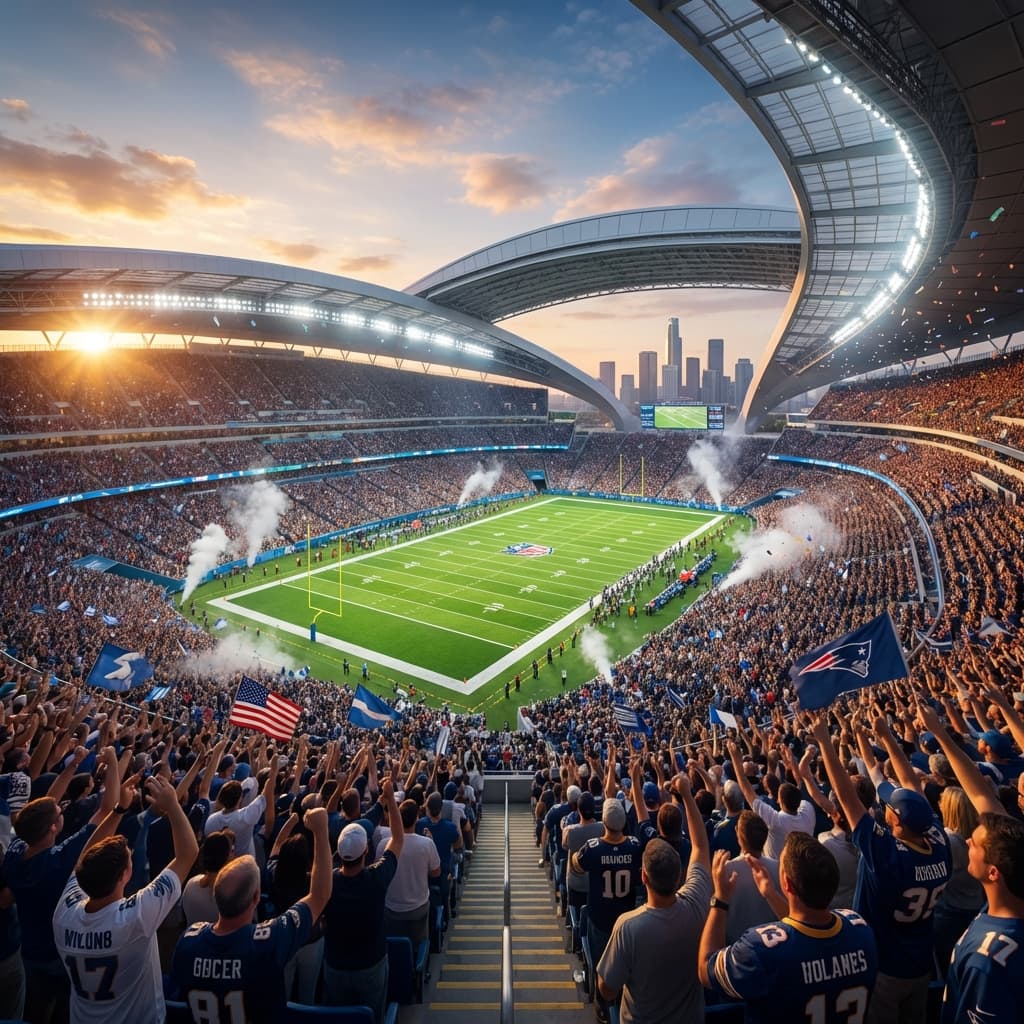
Bratwursts, beer, and sub-zero temperatures. Welcome to the best tailgate in the NFL.
Fried cheese curds are available from vendors around the stadium. Fresh curds should be picked up from a cheese shop in the Green Bay area no more than 24 hours before the game.
Parking and Lot Culture
Lambeau Field parking is divided into official stadium lots and residential lots. Both offer different experiences.
Official Lot Pricing (2026 Season)
Stadium Lots (Lambeau controlled): $40-60 (closest to gates)
Titletown District Lot: $30-40 (across the street, entertainment options)
Residential Lots: $20-40 (varies by distance and negotiation)
Residential Lots: The Local Experience
Homeowners within a half-mile of Lambeau rent their yards and driveways on game days. This is a Green Bay tradition dating back decades. The experience varies wildly.
The best residential hosts become famous within the tailgating community. They offer access to bathrooms, warmth, outlets, and sometimes food. Some have been hosting the same groups for 20+ years.
To find residential parking, arrive early and drive the side streets off Lombardi Avenue. Homeowners stand at the end of their driveways waving in customers. Negotiate politely. Cash only.
What to Wear in December
Lambeau Field in December is cold. Not "put on a jacket" cold. More like "your exposed skin hurts within 30 seconds" cold. Proper layering is essential.
Base layer: Moisture-wicking thermal underwear (top and bottom)
Middle layer: Fleece or down insulating layer
Outer layer: Wind-blocking jacket, ideally with hand-warmer pockets
Feet: Wool socks, insulated boots, toe warmers
Head: Cheesehead optional. Warm hat required.
Hands: Insulated gloves with liner gloves underneath
Pro tip: Bring a blanket for your seat. The aluminum benches at Lambeau conduct cold directly into your body.
The Titletown District
The Titletown District sits directly across Lombardi Avenue from the stadium. It includes restaurants, bars, a hotel, and a public park. For fans without established tailgate spots, this is the gathering place.
Hinterland Brewing operates a taproom in the district. The outdoor plaza has games and activities for kids. The Lodge Kohler hotel books months in advance for home games.
Game Day Timeline
Recommended Arrival (Noon Kickoff)
7:00am: Serious tailgaters arrive, grills fire up
8:00am: Stadium lots open officially
9:00am: Residential lots filling, Titletown District activates
10:00am: Peak tailgate energy, food and drinks flowing
11:00am: Stadium gates open
11:45am: Begin migration toward stadium
12:00pm: Kickoff, Lambeau Leap awaits
Quick Reference: Tailgate Essentials
Food: Brats (Johnsonville or local), hard rolls, beer cheese, cheese curds
Drink: Spotted Cow (New Glarus), Miller Lite, brandy old fashioned
Cold weather: Hand warmers, boot warmers, blankets, thermos with hot drinks
Spirit: Cheesehead, Terrible Towel if playing Steelers (for burning)
Fresh 2026 notes
Green Bay Packers stadium trip planning
Confirm the venue's current bag policy, mobile-ticket rules, gate opening times, parking or transit plan, and weather conditions before leaving. For a home game, arrival and postgame transportation usually require as much planning as the time inside the gates.
Arrival timing is the first big decision
A stadium trip goes more smoothly when you treat arrival time like a real part of the plan. Early arrivals usually mean shorter security lines, more time for tailgating or pregame photos, and a calmer walk into the venue. If the stadium has a plaza, a fan zone, or a well-known pregame area, it is worth showing up earlier than you think so the day starts with a little breathing room instead of a sprint.
Parking and transit should be decided together
Parking is never just parking on game day. It determines how easy it is to get in, how long the walk will be, and whether you will still have energy after the final whistle. If the venue has shuttles, rail access, or a strong rideshare plan, compare those options before you commit to one lot. A good guide should tell you where value lives, not just which spot is closest to the gate.
Food deserves a real strategy
Check whether the stadium supports mobile ordering, publishes concession locations, or restricts outside food. Those policies affect both arrival time and budget, especially when a sold-out game creates long lines before kickoff and at halftime.
Comfort and sightlines matter more than people admit
Seats, shade, roof position, and climate control can shape the experience just as much as the score. If the stadium is outdoors, you need to think about weather, sun exposure, and the long walk back to the car. If the building has a roof or strong air conditioning, you still want to know which sections give you the cleanest sightlines and the easiest access to the aisle when you need a break.
The exit plan is part of the ticket price
Many stadium trips go sideways after the fourth quarter because nobody planned the exit. Some fans should stay for the final whistle and ride out the traffic, while others should leave early enough to beat the rush or make a train connection. A good guide helps you decide which lot, which gate, and which pickup point will keep the end of the day from feeling chaotic.
Use the guide like a pre-game checklist
Before departure, confirm the bag policy, entry gate, weather, mobile tickets, payment rules, and rideshare or transit plan. Recheck official venue guidance on game day because security and transportation procedures can change by event.
Know the best arrival window
For stadiums, the safest move is usually to arrive early enough to avoid security delays and still have time for food or photos. For watch parties, it means getting there before the room fills so you can choose a seat with a good screen and the kind of crowd you want to spend three hours with.
Verify the venue rules
Bag policies, sound rules, reservation limits, mobile ordering, parking validation, and rideshare pickup points can change by venue and event. Confirm time-sensitive rules through the venue's official channels before traveling.
Quick checklist
Check the bag policy, gate plan, and arrival window before leaving home.
Pick parking or transit based on how long you want the postgame exit to take.
Budget for concessions if you plan to stay inside the venue for the full game.
Bring weather-appropriate gear if the stadium is outdoors or partially open.
Decide whether you should leave early, stay late, or wait out the traffic.
Use the stadium guide before each trip so the day feels planned instead of rushed.
For Green Bay Packers game day, confirm time-sensitive venue details first, then plan arrival, seating, food, and the trip home. Early verification reduces the risk of outdated hours, changed entry policies, unavailable reservations, or a venue showing a different broadcast.